Racial social standings are seen within popular culture books, websites, and spin offs. Popular culture adapts how stories come across through adapting racial social standings from the real world. Specifically, books take fictional characters that have differing racial social standings which reference to the worlds society. Adapting real life racial social standings leaves the interpretation up to the readers to understand the depths of the contexts.
Popular culture shapes how racial social standings are understood in real life, and they show how race determines a person’s place within their societal hierarchy. When popular culture makes fictional character with different lives, backgrounds, and scenarios it assigns that character into a specific social standing whether that be poor, wealthy, or in between. This social standing portrays ultimately the influence of how that character ends up placed in their social standing of society which determines how they are treated by others. Through the creation of fictional characters, authors show how popular culture reflects off of and backed up by their race which correlates to their social standings.
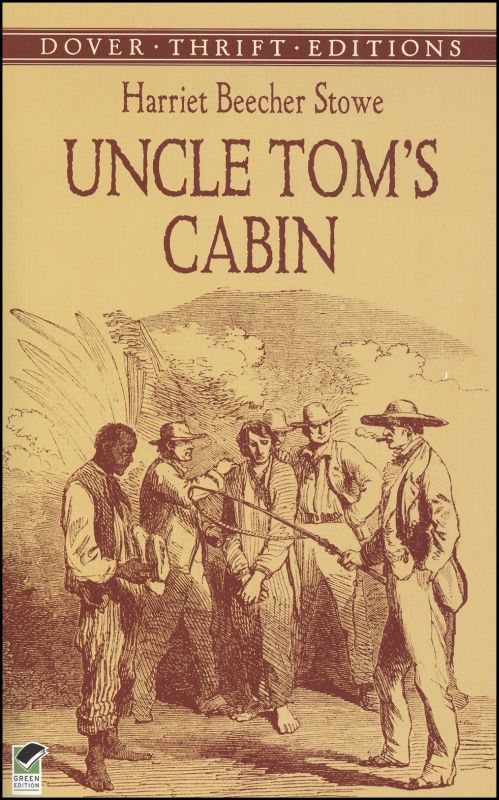
Uncle Tom’s Cabin is a story about slavery, which changed the way slavery was viewed, as well as supporting the classical racial social standings that slaves had in the past, that Blacks have now, and how the dominant white male social standings viewed and treated them. Furthermore, in The Great Gatsby, Gatsby has a conspiracy to be of Black race. He is referred to as “new money” whom Tom Buchanan looks down on because he is “old money” and because of his race. Even though Gatsby earned his money, Tom will never look at him as equal because of Gatsby’s race. Gatsby lived his whole life to get the love of his life, Daisy Buchanan, back to him. However, at the end Gatsby dies due to a false accusation and never fully elopes with his one true love. The Hunger Games is a story about the main female character, Katniss Everdeen, and the main male character, Peeta Mellark, being thrown into an arena with other tributes, all possessing varying social standings, from different districts to fight to the death for the amusement of the Capitol. Uncle Tom’s Cabin, The Great Gatsby, and The Hunger Games are all very popular and well-known published books that articulate the differences that racial social standings have on each character which dictates how they are treated and seen within their social standings of life.
Uncle Tom’s Cabin is primarily a life lesson book on the true horrors and insights of the slavery era from the past. This story overlooks several characters who have similar racial social standings which dictates how they are treated and looked at. People in differing social standings range from those who let their power get to their head while others are more humble. Usually more wealthy people dominate the powers within social standings by letting the wealth get to their heads, which results in demeaning lower social standing people who reside lower on the scale of social standings, especially racially. Even if the higher-ups are not bad to their slaves, but in this context, both are morally wrong. This book targets all audiences in order to change how they overlook the differences in slaves and their masters’ social standings and it overall sets how racial social standings of Black people in America are viewed through the stories of multiple characters. Black people are often seen as lower in social standings due to just their race compared to the white race. The white male image is the “ideal image” and “ideal person” with ultimately the highest social standing one could have. Uncle Tom’s Cabin emphasizes how Black people are seen and instantly looked over just due to the color of their skin, which shows how racial social standings that they possessed in dictated their lives.
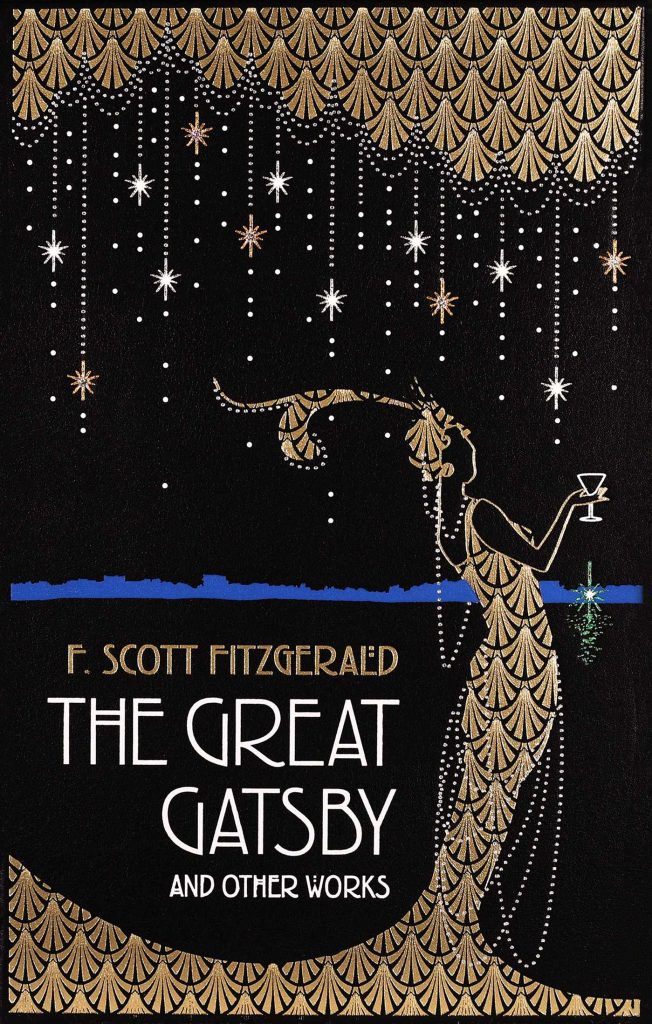
The Great Gatsby was not a very popular book when it was published, but it eventually gained global fame. Most see The Great Gatsby as a lesson on “The American Dream.” In this book, Gatsby has conspiracies to be Black and was dirt poor when he first met Daisy and pined for her for the rest of his life for Daisy was the only person to treat Gatsby equally considering his racial social standing and wealth. Gatsby did absolutely everything in his power to achieve the most desirable status to be treated fairly, to achieve his “American Dream.”. In this case, becoming rich to appeal to Daisy’s eye again and to the eye of the entire world, in order to accept him. Several social standings are found within the context of The Great Gatsby which dictate how people are treated, or rather their racial social standing. While Gatsby is now rich people, Tom Buchanan, view him as poor still, or “new money”, which causes Tom Buchanan to have a superior complex to Gatsby because Tom Buchanan is considered “old money”, and is on the ideal racial social standing side. While Gatsby worked his whole life to achieve his goal and dream, his social standing of being poor always remains which causes the social standings that have always been above him, white people, and that he tried so hard to rise to, do not accept him because of his race. Higher racial social standings, like white males, Tom Buchanan, hold all the power that dictates the social standings of those beneath them. Tom’s racial social standing was much greater than Gatsby’s because of his race in which Tom will never accept him due to his own racial social standing in hierarchy that has been there his whole life.

The Hunger Games shows unfairness throughout the entire triology. Starting from the first book, Katniss must deal with her unluckiness of being born into district 12, which is considered the poorest district, as well as being a tribute in the Games. Katniss has one of the lowest social standings a person could possible ever have in the games compared to every single other tribute, even right under Peeta Mellark. Katniss is described to have “olive toned” skin, deeming her to be part of some sort of ethnic group. This would further give Katniss a lower racial social standing. Having the lowest social standing causes the other tributes to instantly think that they are the weakest competitors and the lowest in society. Even when they defy these odds of being the weakest competitors, due to their home in district 12 the other tributes continuously look down on Peeta and Katniss just due to their home which is reference to their social standing. The other tributes are higher on the hierarchy than Peeta and Katniss which makes their social standings much better and their cockiness over the district 12 tributes undeniable, specifically districts 1, 2, and 4. Furthermore, the people who live in the Captiol have the highest social standings because they are all hinted to be white and are on top of society, next to President Snow, which makes them more important to all of the other people in the country.
Specifically, the character Rue, who represents the Black community as a tribute in the Games. Rue is a direct example of how racial social standings are portrayed. She was constantly overlooked, not just because she was small and young but also mainly because she was Black. Every person in the Games disregarded her and counted her out for her racial social standing until she outlived other tributes and helped Katniss kill the other high racial social standing and favored tributes.
All of these very well-known novels contribute to how popular culture adapts real life lessons and events into racial social standings. Racial social standings are seen daily within the different hierarchies of society. Whether they are seen on the street or in the white house, these ranks are the influence of how we function as a country and as people. For instance, Uncle Tom’s Cabin, The Great Gatsby, and The Hunger Games all have images as popular culture that show how racial social standings are made from the adaptations of real-life situations. For instance, the creation of pictures from the takes on Uncle Tom’s Cabin and spin off books which directly show how racial social standings began and how they contribute to our current events. In The Great Gatsby, Gatsby’s big “American Dream” is being respected by those in the higher racial social standings, but he never will because of his own race. Lastly, The Hunger Games shows popular culture through scenes in its movie as well as many websites that show how racial social standings are seen and how they are ranked above each other especially due to their appearances, like Rue.
All in all, Uncle Tom’s Cabin, The Great Gatsby, and The Hunger Games, all very popular books, articulate their own stories of real-world situations and make them their own through fictional lessons. Whether these fictional lessons are hidden or more broad, popular culture highlights how racial social standings are ranked within societies which dictate how they are treated as people. Racial social standings are determined off skin color, ethnic group, where you came from, and the like. Which are all things that one can not control. These stories demonstrate how unfair society is to lower ranked hierarchies and their social standings. While this unfairness is hidden within the texts, it is not hidden in our world.